

Faux Leather vs. “Vegan Leather” — The Real Difference
If you’ve shopped for car accessories lately — steering wheel covers, seat covers, cushions — you’ve probably seen a dozen different labels for the same material: faux leather, PU leather, synthetic leather, leatherette… and of course, the trendy new favorite, “vegan leather.”
Different names, same material.
And yes — the name “vegan leather” is mostly just marketing.

What Faux Leather Actually Is
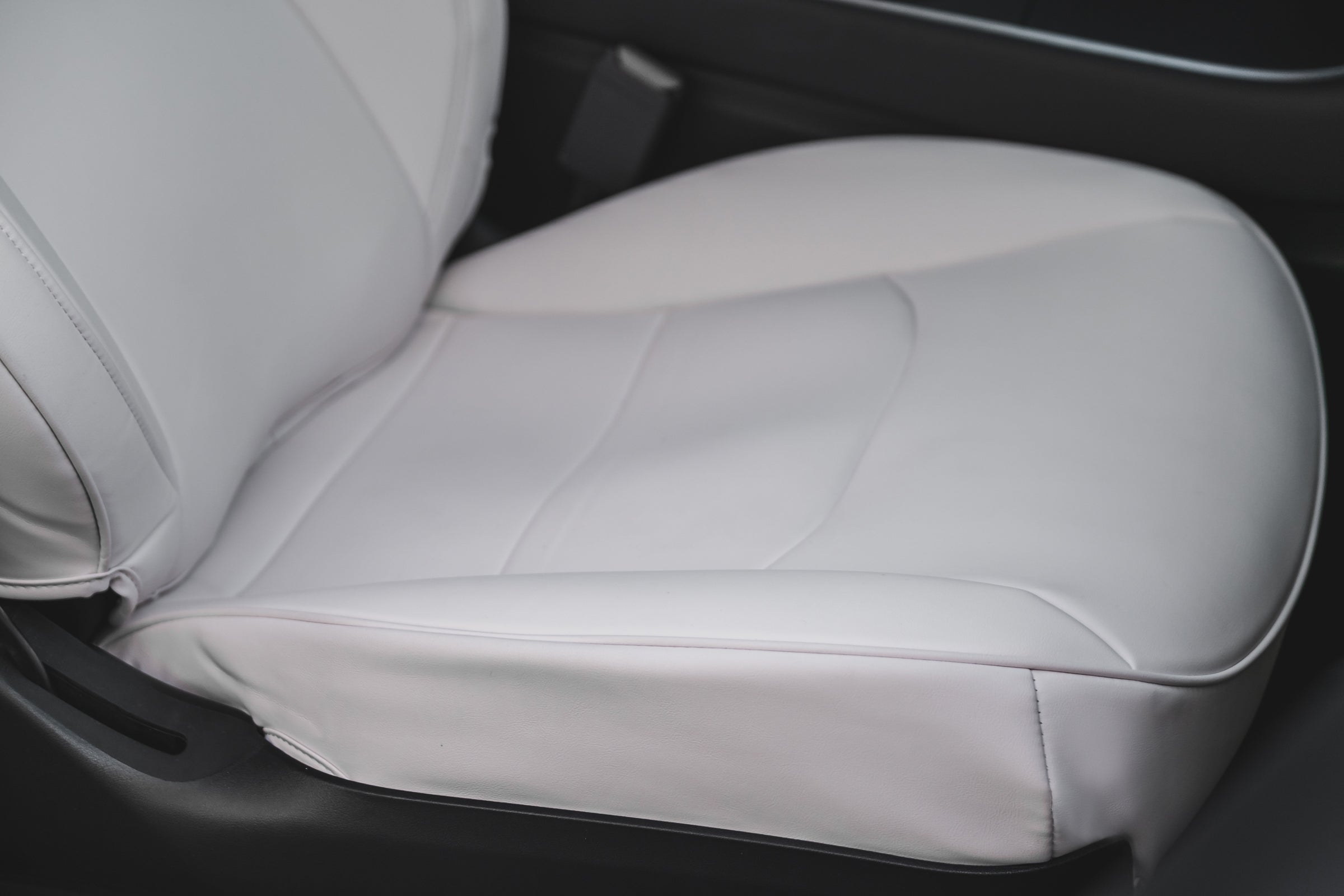
Faux leather is a synthetic material created to mimic the look and feel of real leather. It’s durable, easy to clean, and handles everyday use better than animal leather in most situations — especially in a car. Real leather can crack, dry out, fade, or melt under heat. Faux leather doesn’t need conditioning, doesn’t get ruined by sweaty hands, and doesn’t fall apart when your car sits in the sun.
This is exactly why car makers use synthetic leather in seats, dashboards, and interior trims. It’s built to survive real-world conditions.

So What Is “Vegan Leather”?
Here’s the honest answer:
Most of the time, “vegan leather” is the exact same synthetic leather — just dressed up with a trendier name.
Brands started using the term because it sounds modern, conscious, and premium. But unless the product specifically says it’s made from pineapple leaves, cactus fibers, or mushrooms, “vegan leather” is simply standard faux leather with a cooler label.
No, it’s not magically cleaner.
No, it’s not secretly ultra-luxe.
No, it’s not made by monks in a sustainability temple.
It’s marketing — not a material breakthrough.

Why This Matters for Car Accessories
Steering wheel covers and seat covers go through a lot: constant hands, friction, body weight, sweat, spills, pets, temperature swings, everyday wear. Synthetic leather performs well in all of these conditions, which is why it’s the industry standard.
Whether the tag says “faux leather” or “vegan leather” doesn’t change how it actually behaves in your car. What matters is how the material holds up, how it feels, and how easy it is to maintain.
For car interiors, synthetic leather is simply more practical than real leather. It stays consistent, stays comfortable, survives the environment, and cleans up easily.


Is Vegan Leather Ever Different?
Occasionally, yes — but only when brands go out of their way to say it’s cactus leather, pineapple leather, or some plant-based alternative. Those materials exist, but you’re not finding them in mass-market steering wheel covers or seat covers.
If a product only says “vegan leather,” it’s almost certainly standard PU synthetic leather, not some exotic biodegradable textile.
Final Thoughts
Faux leather. PU leather. Synthetic leather. Leatherette. And now, vegan leather.
They’re all variations of the same material, and changing the name doesn’t magically change the performance. For automotive use — steering wheel covers, seat covers, anything inside your car — synthetic leather is the smart choice because it’s durable, comfortable, stable in heat and cold, and effortless to maintain.
Call it whatever you want.
Your car only cares about how well it performs — not how trendy the label sounds.


Leave a comment
This site is protected by hCaptcha and the hCaptcha Privacy Policy and Terms of Service apply.