
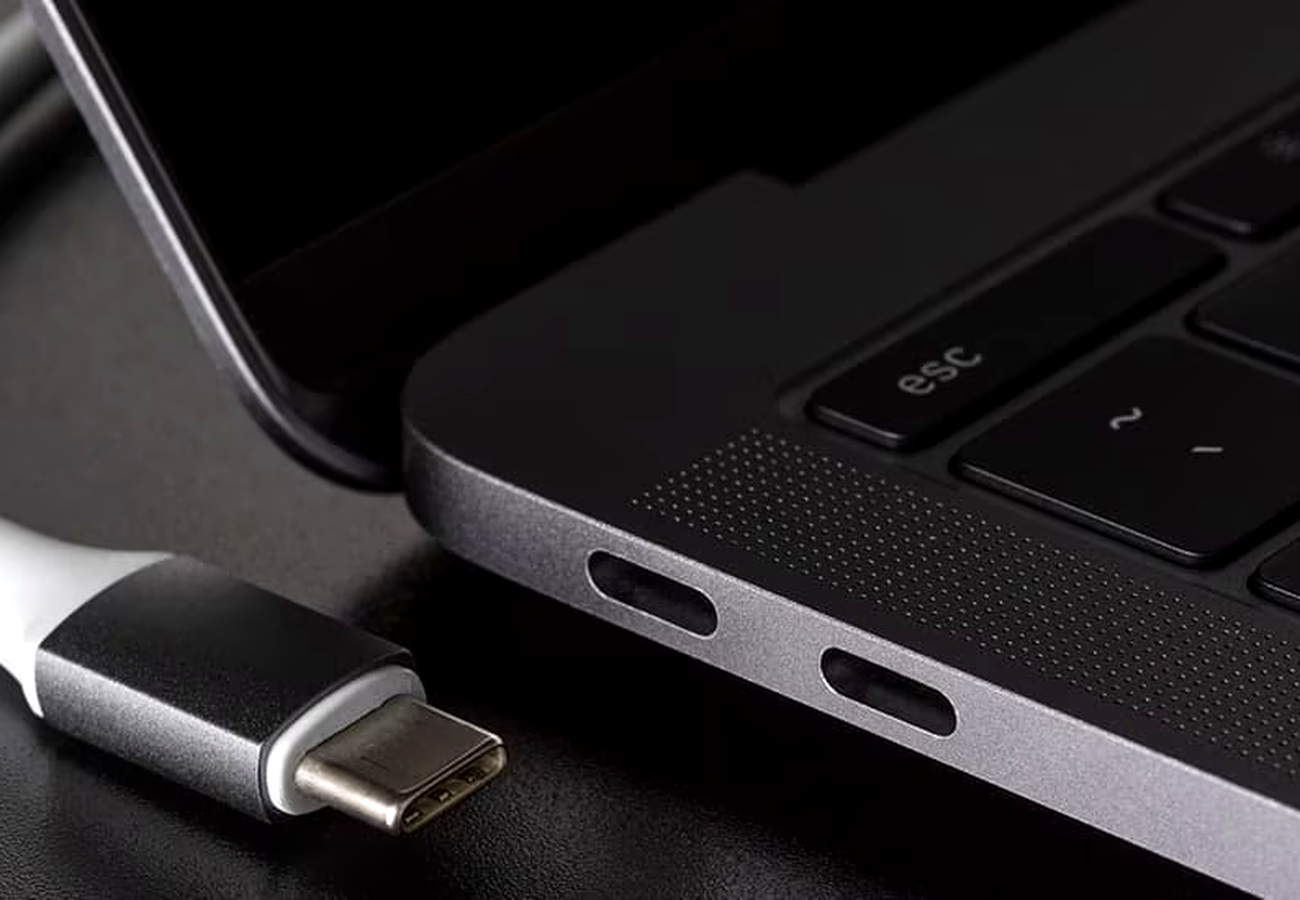
USB-C PD Wattage: What You Need to Know
USB Power Delivery — often shortened to PD — is one of the biggest upgrades in charging technology in the last decade. If you’ve ever noticed that some chargers can take your phone from 20% to 80% in minutes while others crawl, PD is the reason why.
But here’s the catch: not all PD chargers are the same, and the wattage printed on the box makes a huge difference.
Let’s break it all down in a way that actually makes sense.

What Exactly Is Power Delivery (PD)?
USB Power Delivery is a fast-charging standard that lets devices and chargers communicate to deliver the right amount of power safely and efficiently.
Think of it as:
“The charger and device negotiate how fast they can charge without overheating.”
PD can range from 5W all the way up to 140W+, depending on:
- The charger
- The cable
- The device you’re charging

PD Versions — And Why They Matter
PD 1.0 – The Beginning
Basic power negotiation. Limited wattage. Mostly older devices.
PD 2.0 – Standard Fast Charging
Common for phones and tablets. Usually up to 18W–30W.
PD 3.0 – The Big Upgrade
Introduced PPS (Programmable Power Supply), which gives smoother and more efficient charging.
Often seen in 25W–65W phone fast chargers.
PD 3.1 – The “Laptop-Level” Generation
The newest version. Supports:
- 100W
- 140W
- 180W
- 240W
This is the version that finally made it possible to charge full-size laptops through USB-C — no giant brick needed.

So Why Do Some PD Chargers Only Do 20W or 35W?
Because “PD” only tells you the charging standard, not the power output.
A charger can technically support PD…
but only offer 20W, 25W, or 35W power levels.
This is super common with:
- Budget car chargers
- Small wall chargers
- Chargers that were designed mainly for phones/tablets
- Older PD 2.0/3.0 chipsets
These chargers are still “PD,” but they’re not powerful enough for high-wattage devices like:
- Laptops
- Power-hungry tablets
- Steam Deck / ROG Ally
- USB-C battery packs
- High-speed wireless pads
Then Why Can Some Chargers Do 100W, 140W, or Even More?
Because they use newer PD 3.1 controllers and higher-capacity power stages.
True high-power PD chargers need:
- More robust internal components
- Better heat management
- Advanced circuitry
- PD 3.1 compatibility
This is what separates a 35W “PD” charger from a 140W “real performance” PD charger.

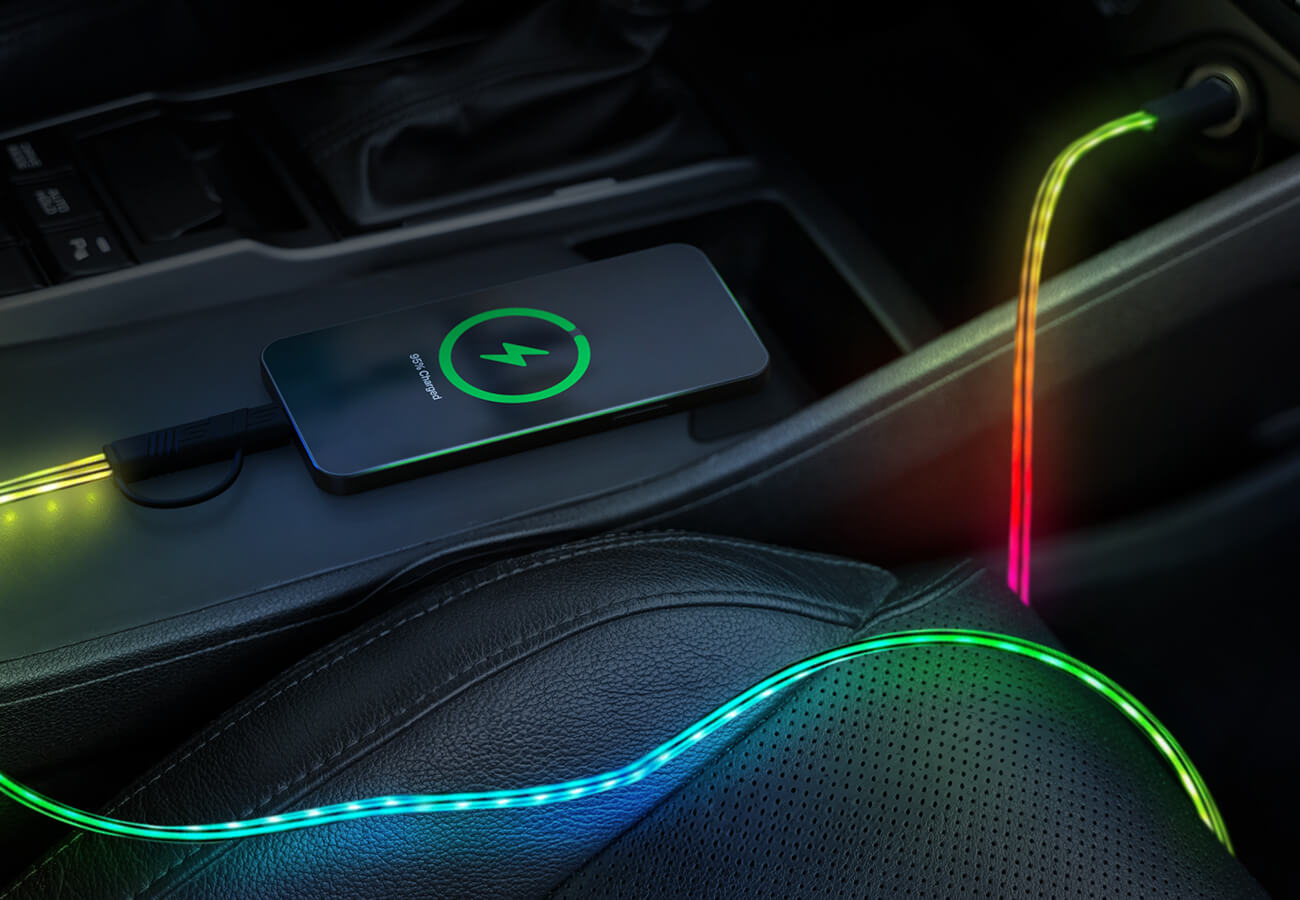
Example: TYPE S Charge & Glow 140W Car Charger
The TYPE S Charge & Glow 140W Car Charger, now available at Walmart, is a great example of what real high-power PD looks like.
It delivers:
✔ Up to 140W USB-C Power Delivery
Enough to charge a laptop in your car, whether it’s:
- MacBook Pro
- Windows laptop
- Chromebook
- USB-C gaming handheld
✔ Glow Ring Indicator
LED ring lets you see the charger at night — clean, functional, and stylish.
✔ Multiple Ports for Multi-Device Charging
Simultaneously charge a laptop + phone + accessories without slowing down.
This is the difference between “PD that’s technically PD” and “PD that actually performs.”

What Devices Benefit Most From High-Wattage PD?
- Laptops (MacBook Pro 14"/16", Dell XPS, Lenovo ThinkPad)
- Tablets (iPad Pro, Galaxy Tab)
- Gaming handhelds (Steam Deck, ROG Ally)
- Charging pads that need more power for 15W wireless
- Portable power stations
- High-capacity power banks
If a charger only outputs 20–35W, these devices will either charge slowly or not work at all.
How to Choose the Right PD Charger
Use this cheat sheet:
| Device | Recommended PD Wattage |
|---|---|
| iPhone / Android Phone | 20W–30W |
| iPad / Tablets | 30W–45W |
| Nintendo Switch | 30W |
| Steam Deck / ROG Ally | 45W–60W |
| Laptops (Ultrabooks) | 65W–100W |
| MacBook Pro / High-Power Laptops | 100W–140W |
If you want one charger that covers everything, go with 100W+ PD.
The Bottom Line
“PD” on a box doesn’t guarantee fast charging — it only guarantees a standard.
The real speed comes down to the wattage, and that’s where the difference truly shows.
A 20W PD car charger is fine for your phone.
A 140W PD charger like the TYPE S Charge & Glow lets you charge your entire setup, including your laptop, all from your car.
It’s the difference between:
“My phone is charging.”
vs.
“Everything charges — and fast.”


Leave a comment
This site is protected by hCaptcha and the hCaptcha Privacy Policy and Terms of Service apply.